
The psychology behind gambling: why we love casinos
The allure of risk and uncertainty
The thrill of gambling often stems from the inherent uncertainty associated with each roll of the dice or turn of a card. This uncertainty triggers the brain’s reward system, leading to the release of dopamine, a neurotransmitter linked to pleasure. The excitement that arises from not knowing whether one will win or lose creates a captivating rush that draws many individuals into the world of casinos, especially those exploring online casino nz options that enhance the experience. People are naturally attracted to experiences that offer a mix of thrill and the potential for reward, which is precisely what gambling provides.
Research highlights the psychological concept of loss aversion, which plays a significant role in why people continue to gamble. Studies show that the pain of losing is often experienced more intensely than the joy of winning. This dynamic leads gamblers to chase their losses, convinced that a win is just around the corner. Casinos capitalize on this psychology by designing games that maximize emotional engagement, ensuring that players remain invested in the experience even when faced with setbacks. Understanding the mental processes that fuel this behavior helps illuminate the magnetic pull of gambling.
Additionally, the excitement of placing a bet can mimic the adrenaline rush experienced in high-stakes environments, whether in sports or business. This element of competition, whether against oneself or others, enhances the experience, making it more engaging. The anticipation of a potential payout can become addictive over time, fostering a cycle that encourages visits to casinos. As people continue to seek that euphoric high, the allure of risk remains a significant driving force behind their love for gambling.
The social aspect of casinos
Casinos are designed to be vibrant social spaces where people can gather and share experiences. Whether it’s the cheers of fellow players celebrating a win or the communal ambiance of the gaming floor, these environments foster interaction and camaraderie. This social aspect makes gambling more appealing, as individuals seek connection and shared excitement with others. The act of gambling together can forge bonds and create lasting memories, further enhancing the allure of casino visits.
Social psychology suggests that the presence of others can amplify an individual’s desire to take risks. Group dynamics can provide a sense of safety in numbers, making individuals more willing to place bets they might otherwise avoid when alone. The shared energy of a crowd, whether during a lively game of poker or a buzzing round of slots, encourages players to engage in behaviors they might not consider in solitude. This phenomenon not only solidifies the enjoyment of gambling but can also lead to increased spending, as the social setting enhances the overall experience.
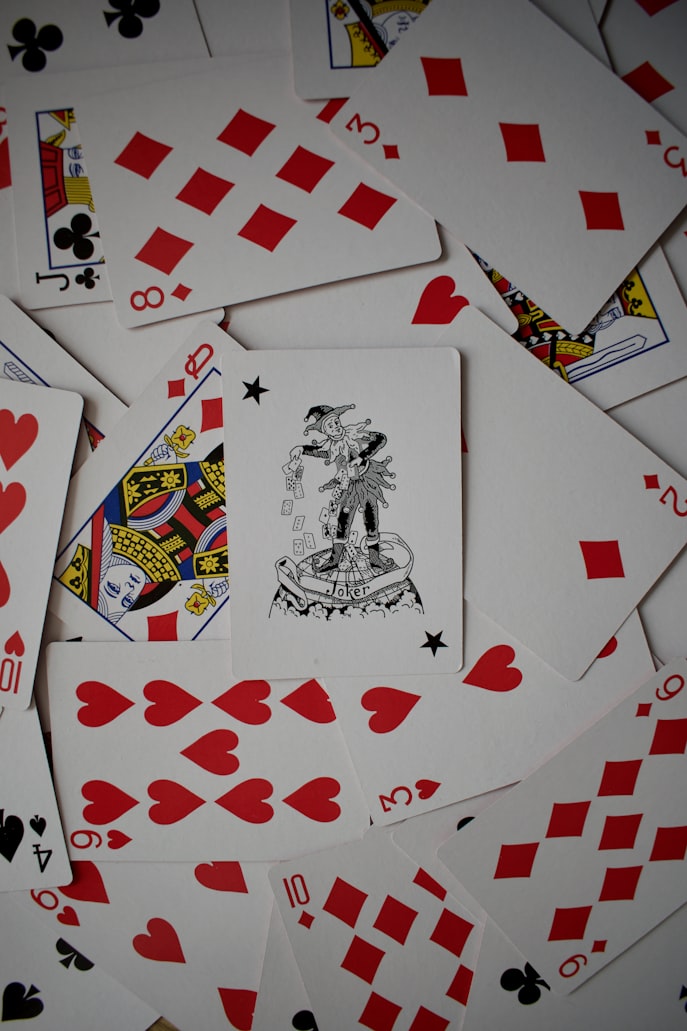
Moreover, casinos often host events, tournaments, and themed nights that strengthen community feelings among regular patrons. The sense of belonging that comes from being part of a gambling community can be attractive to many, creating an additional incentive to return. In this way, the social components of casinos add layers to the gambling experience, transforming it from a solitary activity into a vibrant social occasion that continually draws people in.
The impact of design and ambiance
The physical layout and design of casinos play a crucial role in shaping the gambling experience. From the moment a visitor steps inside, they are immersed in an environment engineered to keep them engaged. Bright lights, vibrant colors, and the sounds of spinning wheels and ringing coins create an atmosphere that stimulates the senses, enhancing the thrill of gambling. This deliberate design strategy can captivate attention and encourage prolonged visits, as the mind associates sensory input with excitement and potential rewards.
Moreover, the strategic placement of games is another element influencing gambling behavior. Slot machines, for instance, are often positioned in areas with high foot traffic, enticing passersby to try their luck. The layout creates a flowing path that encourages exploration, leading individuals from one game to another. This carefully curated environment fosters a sense of urgency and compels players to try their luck just one more time, as the excitement of possibility lingers throughout the casino.
Additionally, the absence of windows and clocks within casinos is a psychological tactic aimed at distorting time perception. Without natural light or a sense of time passing, gamblers may lose track of time, resulting in longer gaming sessions and increased spending. The immersive design and ambiance of casinos serve as powerful tools that not only attract visitors but also keep them engaged, heightening their emotional involvement in gambling activities.
The role of marketing and promotions
Casinos utilize a variety of marketing strategies to attract and retain customers, recognizing the importance of incentives in the gambling industry. Promotions such as free play credits, loyalty programs, and bonuses for new players create a sense of value and urgency, enticing potential gamblers to visit. These offers tap into psychological principles such as reciprocity and desirability, where individuals feel compelled to engage with a brand that provides immediate rewards or benefits.
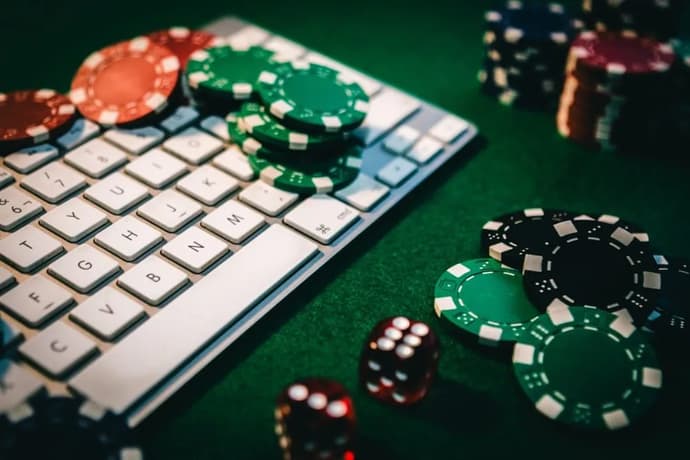
Furthermore, the use of targeted marketing heightens the effectiveness of these promotions. By analyzing customer behavior and preferences, casinos can tailor their offers to resonate with specific demographics, optimizing their appeal to both new and returning players. This data-driven approach ensures that marketing efforts align with potential customers’ desires, maximizing engagement and participation. The personalized touch can make individuals feel valued, further drawing them into the casino environment.
Moreover, the excitement surrounding limited-time promotions can create a sense of urgency among players. This fear of missing out (FOMO) can lead gamblers to act quickly, prompting them to visit the casino to take advantage of fleeting offers. The psychological thrill associated with exclusive promotions reinforces the emotional connection to gambling and strengthens the desire to return for more. Through effective marketing strategies, casinos maintain a steady flow of patrons eager to indulge in the excitement of gambling.
Explore your fascination with casinos at our dedicated platform
For those intrigued by the complex psychology of gambling and wanting to delve deeper into the world of casinos, visiting a dedicated platform offers a wealth of information. Such websites often explore various aspects of gambling, including the strategies behind casino design, the psychology of risk-taking, and the social dynamics at play. Engaging with this rich content allows enthusiasts to deepen their understanding, enhancing their appreciation for the elements that make casinos so captivating.
Additionally, engaging with informative content can empower potential players to make more informed decisions about their gambling habits. Understanding the psychological triggers and marketing tactics employed by casinos can foster a healthier relationship with the activity. Whether someone is a casual visitor or a regular player, gaining insight into the underlying factors driving gambling behavior can lead to more mindful participation in the exciting world of casinos.
Ultimately, the captivating allure of casinos is a blend of psychological, social, and sensory elements that combine to create a unique experience. By exploring these facets on a dedicated platform, individuals can appreciate not only the thrill of the games but also the intricate psychology behind why we love casinos. This deeper understanding can enhance one’s experience and provide valuable knowledge for navigating the world of gambling responsibly.